

Are aluminium windows better than uPVC windows?
Aluminium or uPVC Windows: Which Suits Your Home?
Choosing between aluminium and uPVC windows becomes easier when you think about the rooms you use every day. You might want a clearer view across the garden, windows that suit the front of a cottage, or an affordable way to replace ageing double glazing throughout the house.
Both materials offer plenty of possibilities. The opening sizes, frame design and overall budget will help you decide where each earns its place.
When slimmer frames make a difference
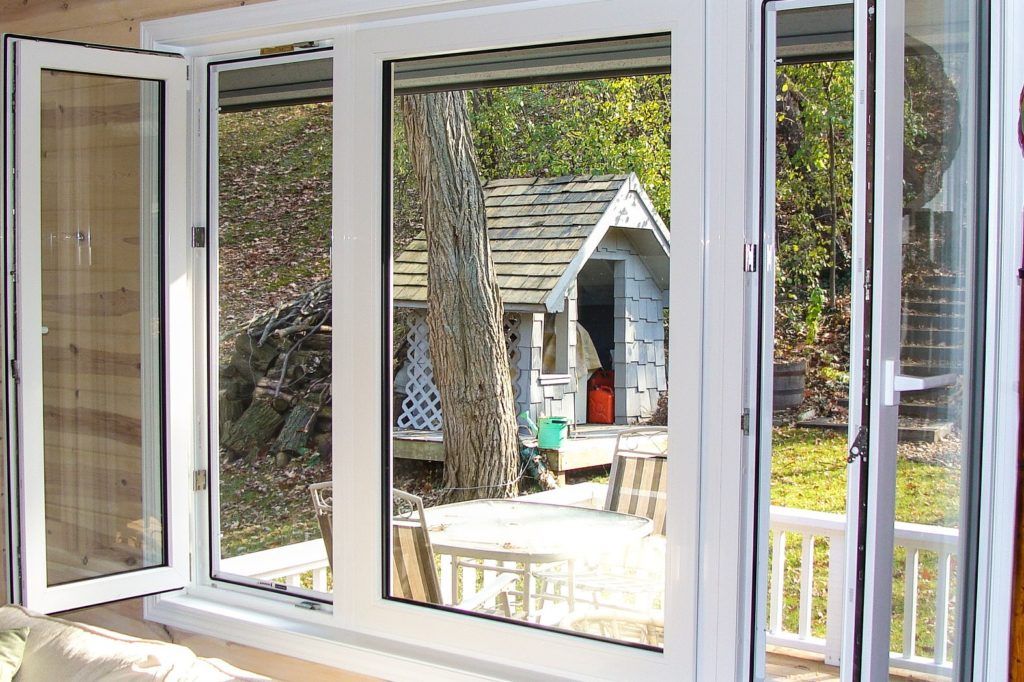
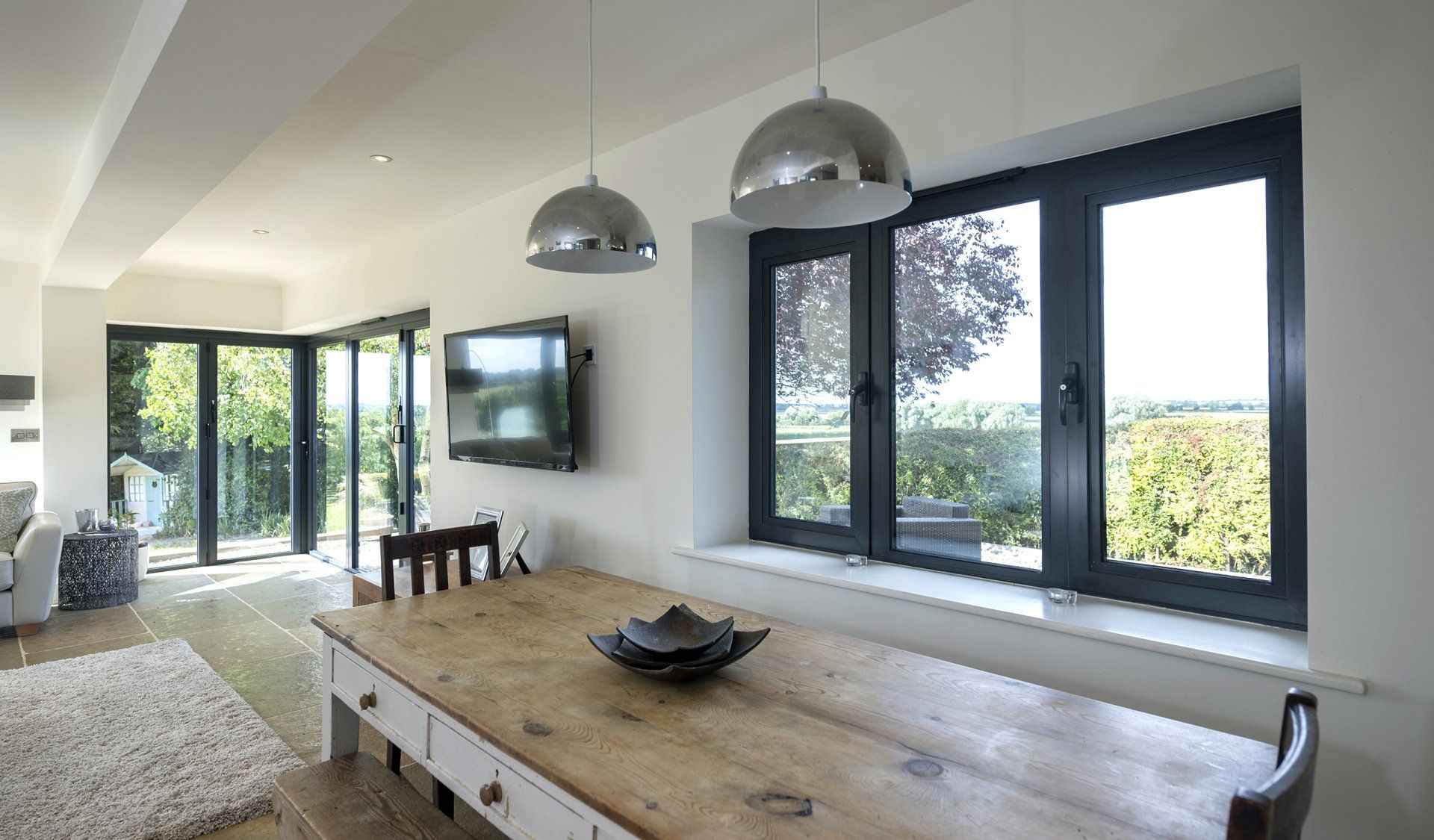
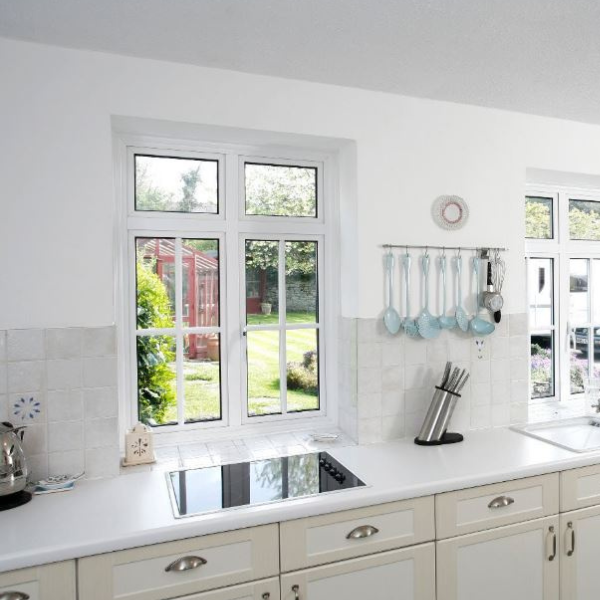
Imagine a kitchen window overlooking the garden. If the view is a feature of the room, the amount of frame around and between the panes deserves attention.
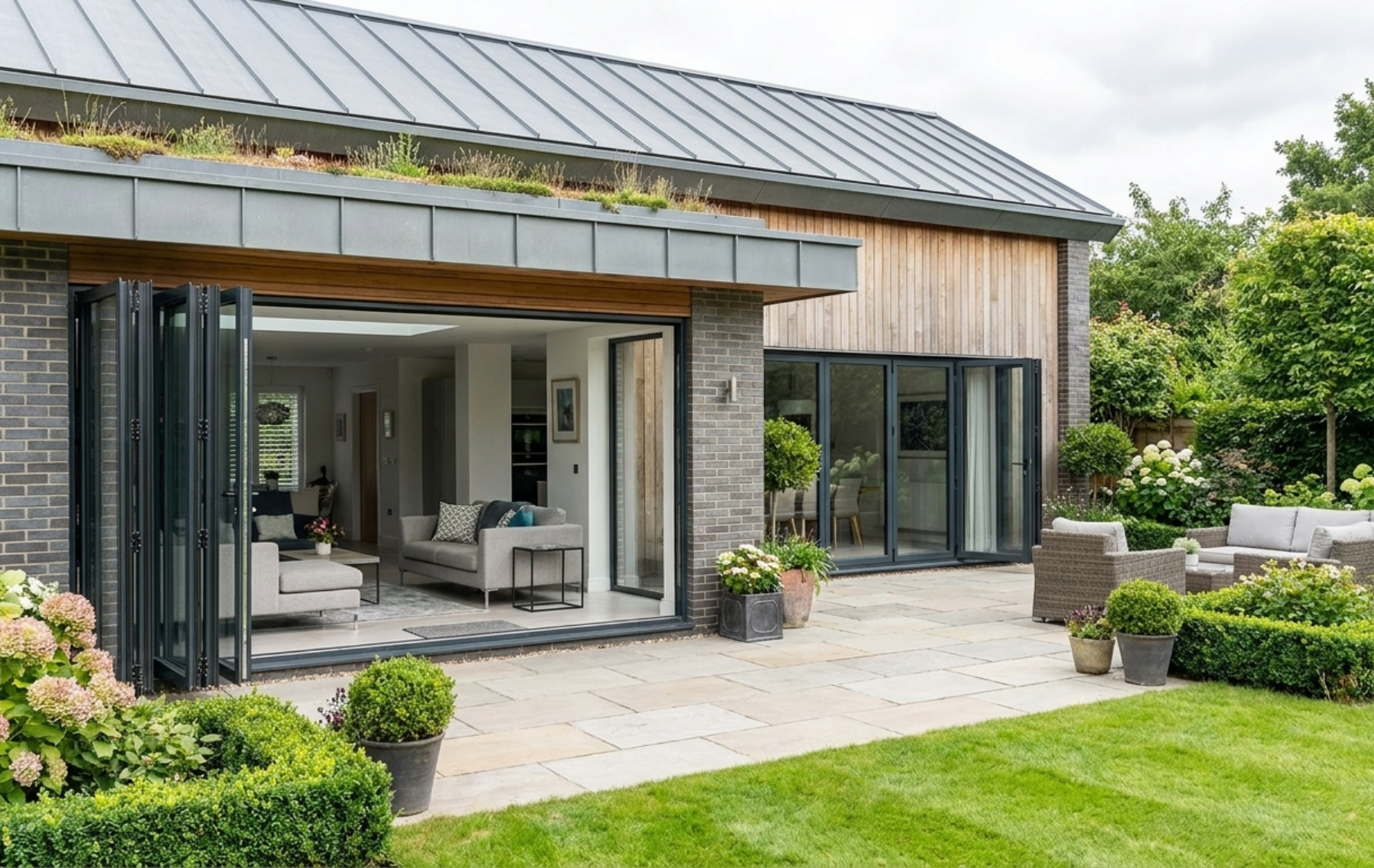
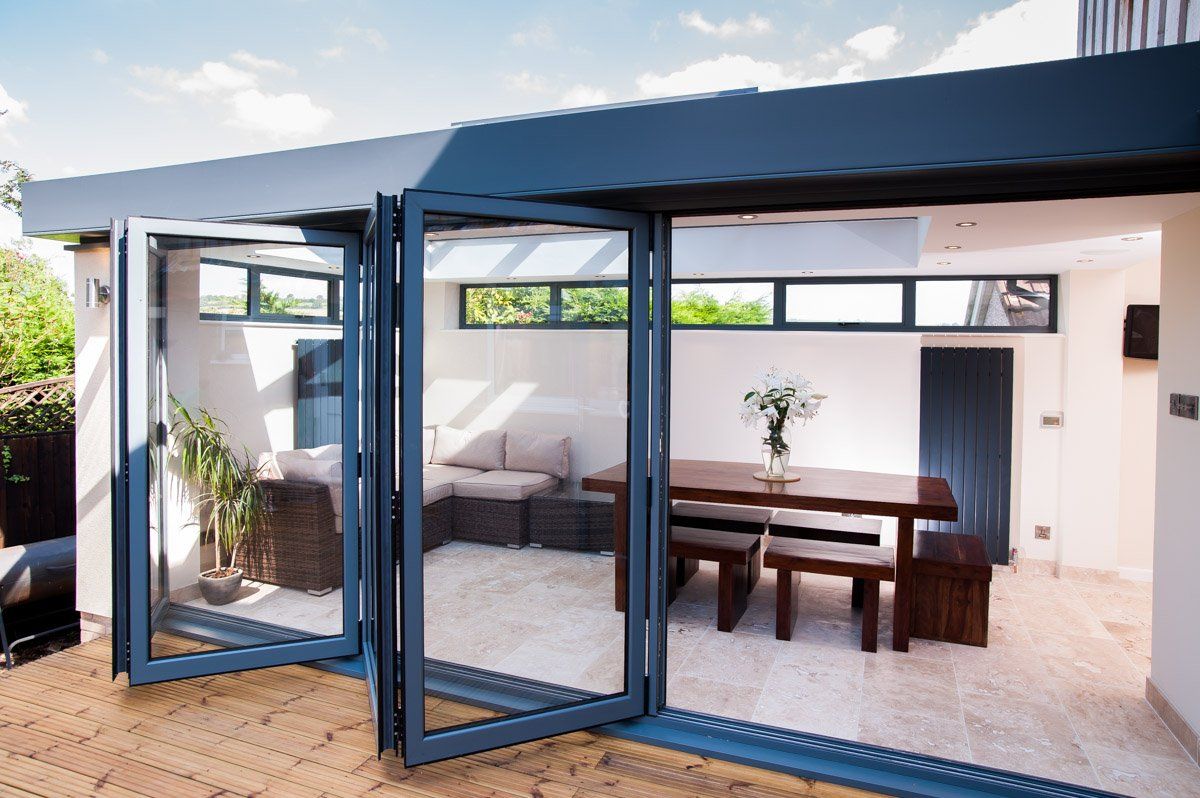
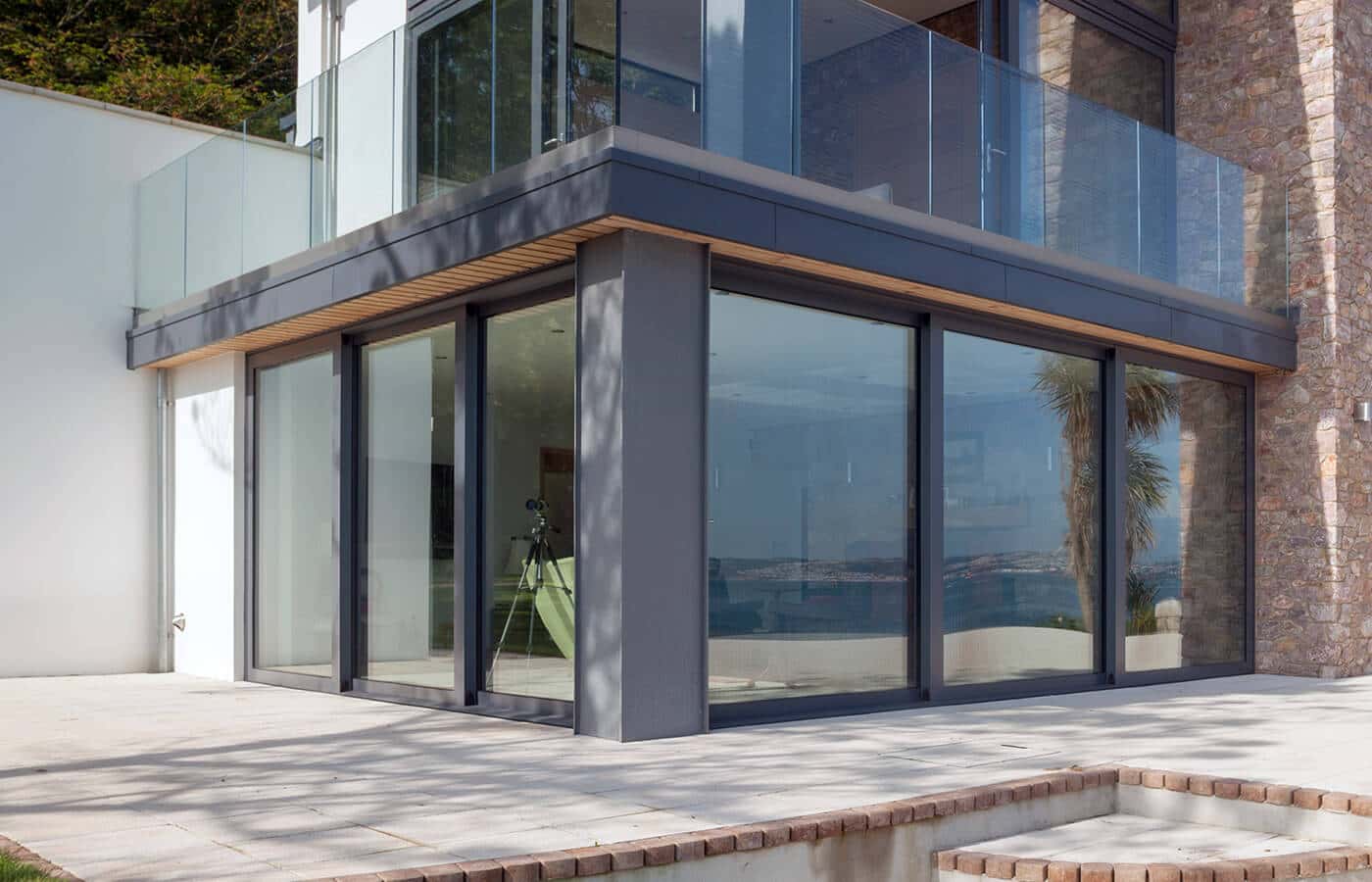
Aluminium is worth considering here because its strength allows slim frame designs. It can work particularly well in a contemporary extension, where you want the windows to sit comfortably alongside aluminium sliding or bifold doors.
Look closely at the centre of the window as well as the outside edges. Two opening sections meeting in the middle can create a substantial division. A different arrangement of fixed glass and opening sections may give you more of the view you wanted.
Ask to compare drawings of the proposed layouts. The frame material is one part of the finished appearance.
Replacing windows throughout the house
For a house with several bedrooms, a bay window and smaller bathroom or landing windows, the total cost soon becomes an important part of the decision.
uPVC is usually the more affordable option. That can make it a practical choice when you want to replace all the windows together and achieve a consistent appearance across the property.
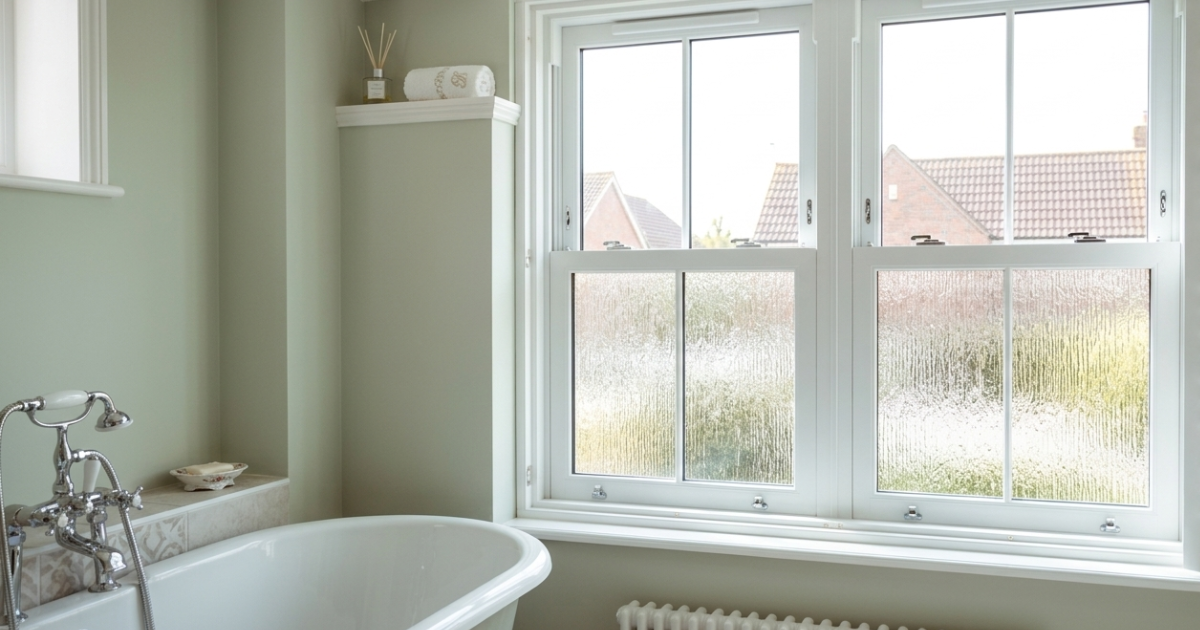
Think about how each room works. A window above a deep kitchen worktop needs an opening handle you can comfortably reach. In a bedroom, consider how you will ventilate the room and position furniture. For a bathroom, privacy glass and a useful opening arrangement may matter more than a small difference in frame width.
These details are worth settling before comparing quotations.
Can you use aluminium and uPVC in the same house?
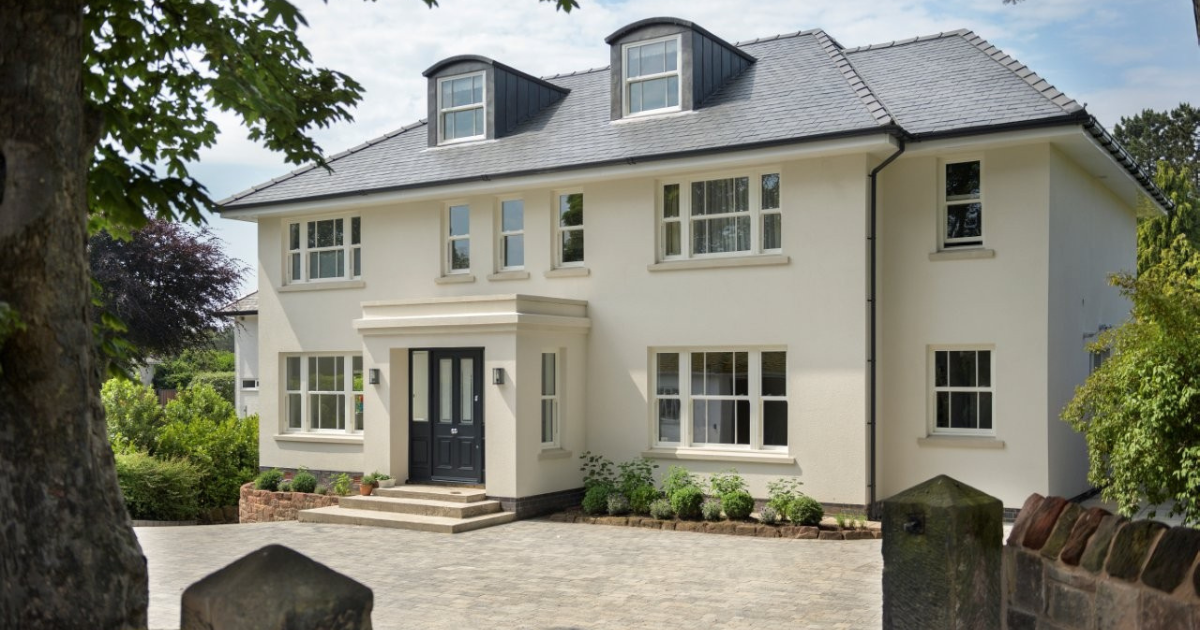
Yes, combining the two is quite common and can help you make the most of your budget. You might choose aluminium for the front of the house, where the slimmer frames contribute to its appearance, and use uPVC for less prominent windows at the side or rear. We can often match the colours closely enough that the difference is difficult to notice at a glance.
Another popular combination is uPVC windows throughout the house with aluminium patio doors opening onto the garden. Aluminium is particularly useful for large sliding doors and bifold doors, where its strength allows substantial areas of glass. Coordinating the colours helps the windows and doors sit comfortably together, while you spend more on the features that matter most to you.
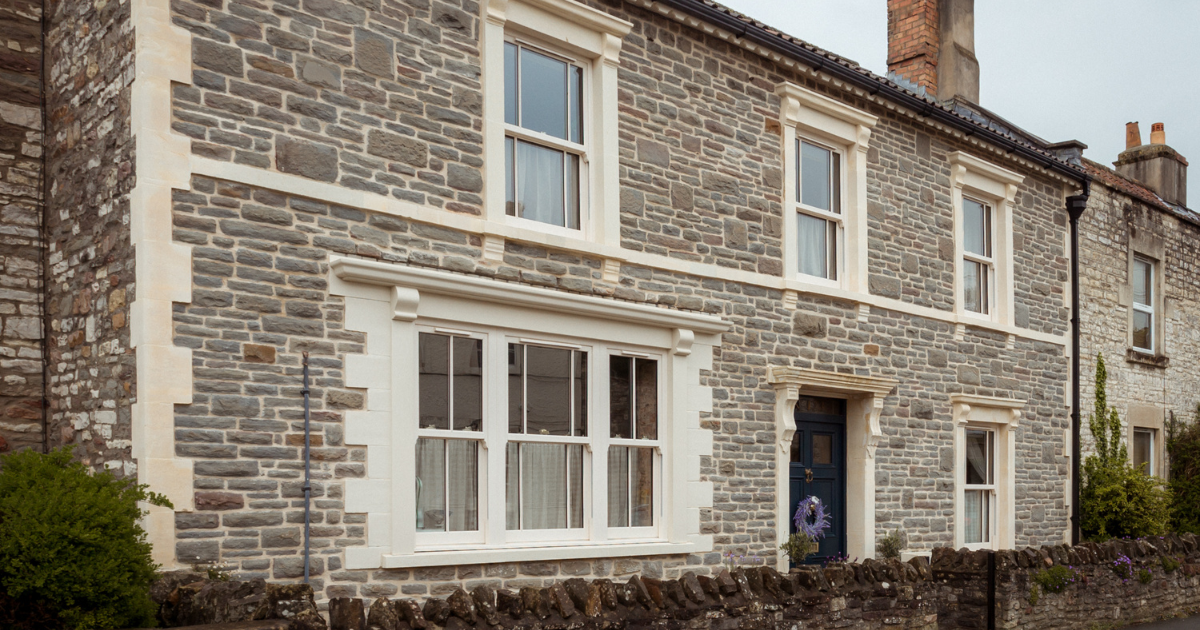
What suits a traditional property?
Start by looking at the shape of the existing windows and how they sit within the building.
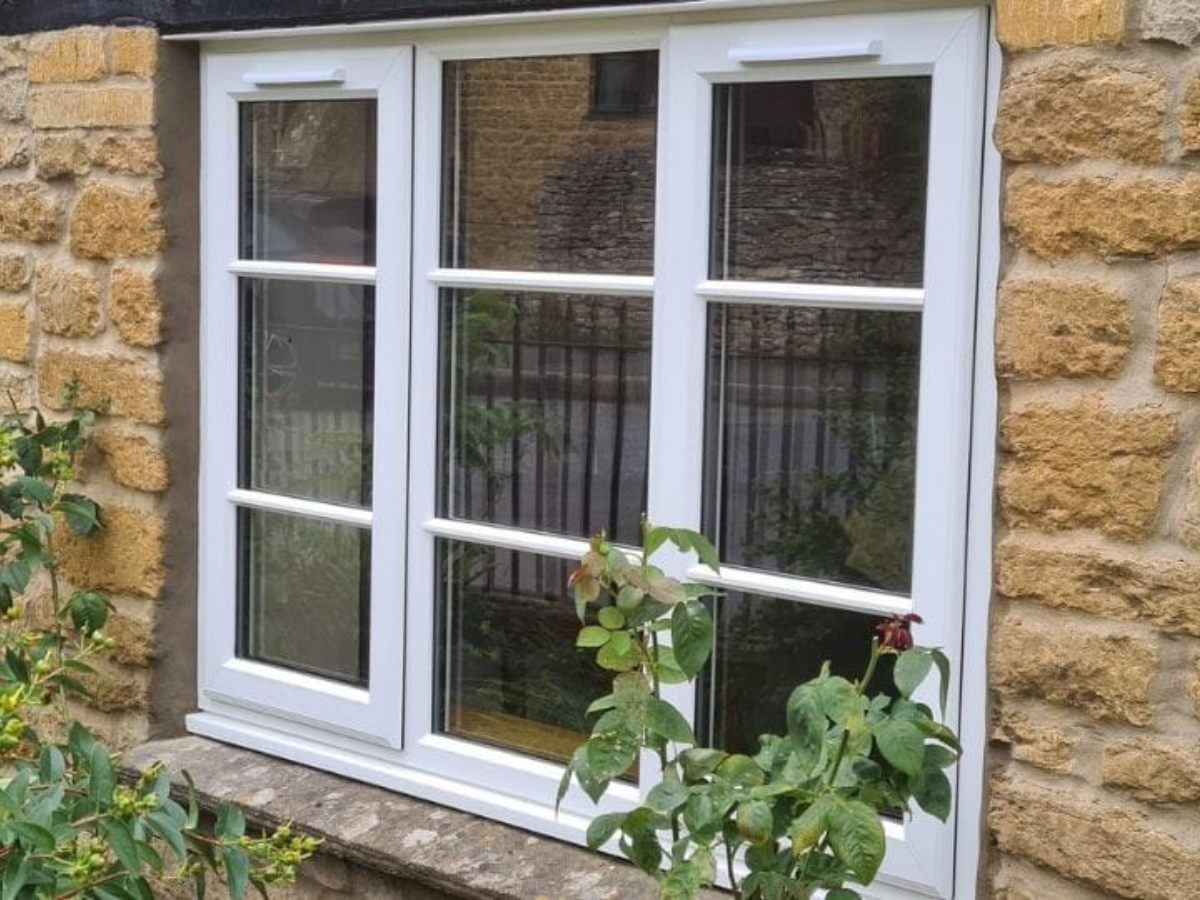
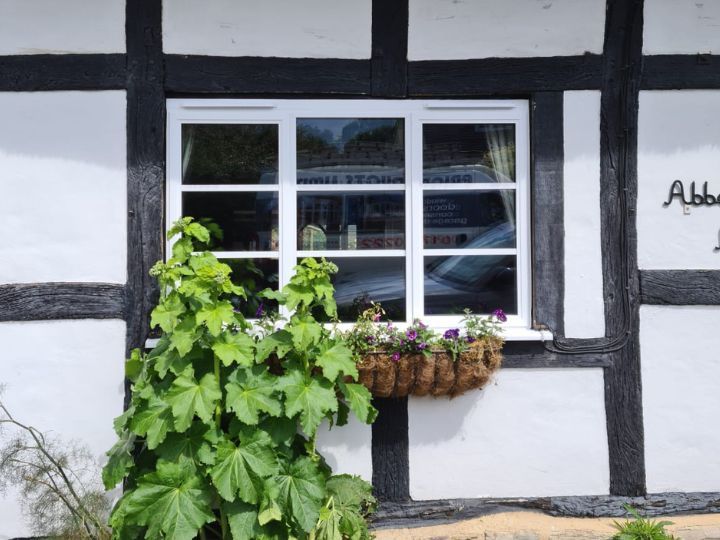
A cottage with small casement windows may suit a flush design, where the opening sash sits level with the surrounding frame. A house with tall, narrow openings needs particular care with proportions and the position of any horizontal divisions.
If you are replacing sash windows with casements, a top-hung opening above a fixed lower pane may help preserve the familiar appearance. Compare that layout with a sliding sash before deciding.
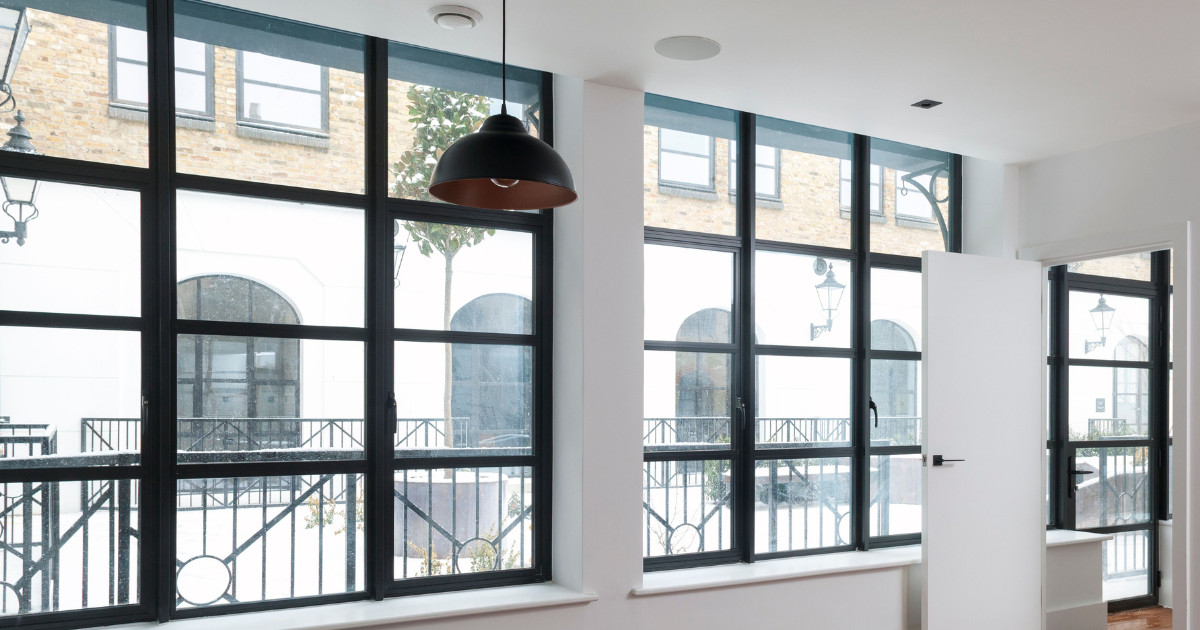
Aluminium also has a place in traditional architecture. Heritage designs can suit properties with slender metal windows, including some Art Deco homes. Comparing frame samples and layouts will help you judge which approach belongs on your house.
Which will keep your home warmer?
Compare the performance of the complete windows being quoted, including the frames and glazing.
Ask for the whole-window U-value. A lower figure means less heat passes through the window. Where a Window Energy Rating is supplied, this also takes account of factors such as solar gain and air leakage.
Modern aluminium systems use a thermal break within the frame to reduce heat transfer. uPVC frames use insulating chambers. The final performance depends on the particular system, glass specification and window design.
Installation deserves equal attention. Careful fitting and sealing around the opening help the new windows perform as intended.
What should you compare in the quotations?
Ask for quotations based on the same opening arrangements and glazing requirements. Otherwise, a difference in price may reflect a different window design or specification.
Check which sections open, the glass included, handle positions, colour on each side, installation work and guarantee. If one quote includes a large fixed pane and another divides the opening into several sections, ask to see both layouts.
Seeing the products in person also helps. Open and close a sample, look at the frame corners and compare the amount of visible frame around the glass.
Compare your options at Prior Products
At Prior Products, we manufacture uPVC windows in our own Stratford-upon-Avon factory and also supply and install aluminium windows.
Book a free home visit and we'll help you compare the frames and finishes, or book a free home visit so we can look at your existing windows and discuss the rooms you want to improve.
Explore our uPVC windows and aluminium windows, or contact us to arrange a home visit.